I built and led technology services businesses and worked with companies ranging from startups to major technology organizations.
What it taught me:Look beneath the symptom. Find the rule, assumption or system producing the result.
My life has moved through technology, entrepreneurship, radio, speaking, coaching and mountaineering. The settings changed. The question didn’t:
Why can capable people know exactly what needs to change and still struggle to change it?
I started in technology, where problems were supposed to have causes, systems were supposed to have rules, and better information was supposed to produce better decisions.
That logic works remarkably well with machines. It gets more interesting with people.
Over time, whether I was building businesses, sitting behind a radio microphone, speaking to a room, or working one-on-one with someone who already understood their problem, I kept seeing the same gap: people can know a great deal and still remain loyal to a pattern that no longer serves them.
Information can change what you know.
It does not automatically change what you do.
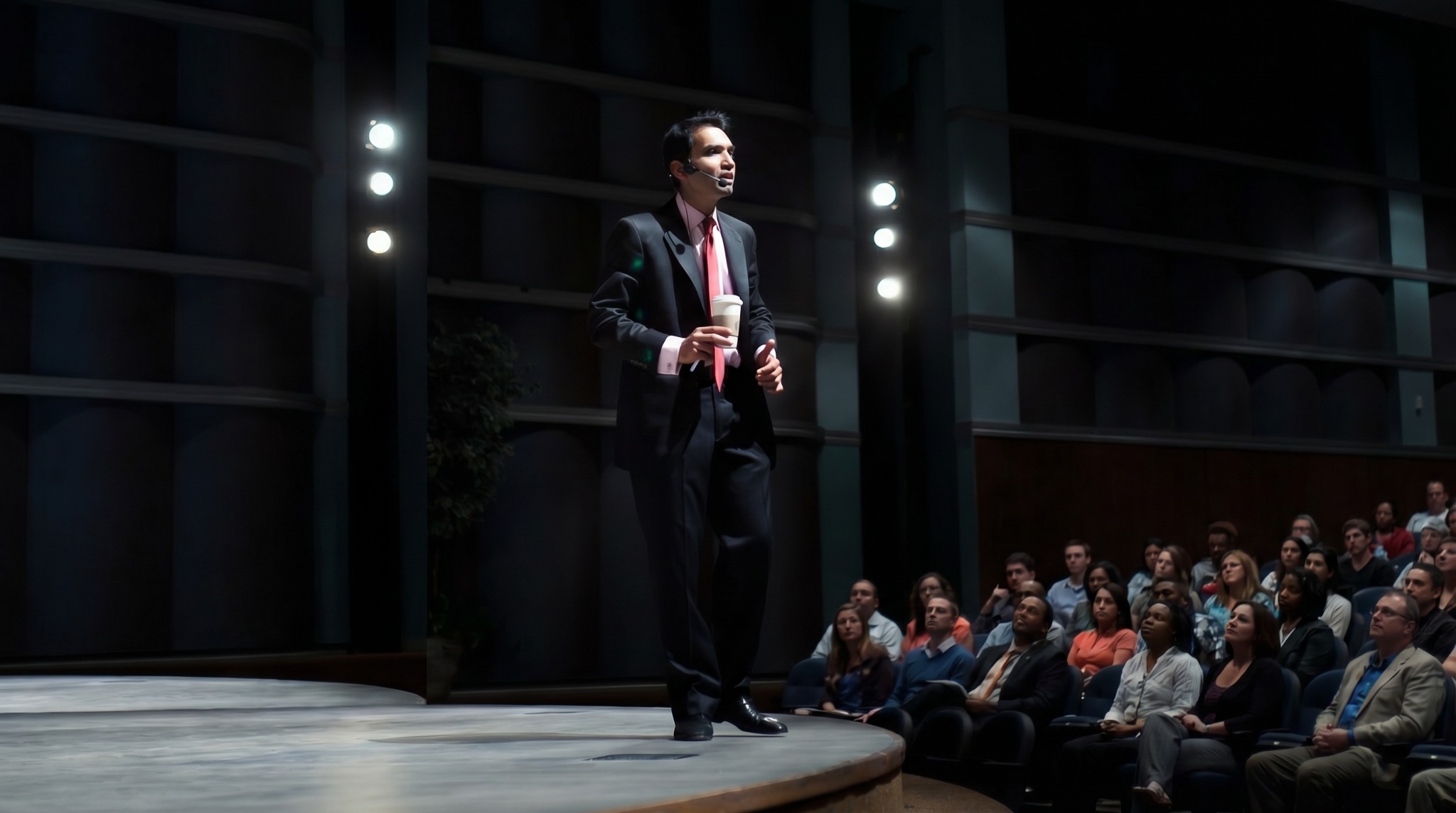
Radio and speaking gave me a larger room for the same conversation: what are we accepting as fixed simply because it has become familiar?
I built and led technology services businesses and worked with companies ranging from startups to major technology organizations.
What it taught me:Look beneath the symptom. Find the rule, assumption or system producing the result.
Years behind the microphone with Success With Srini taught me how quickly a good question can cut through rehearsed answers.
What it taught me:People rarely need another slogan. They need language for something they have felt but have not yet named.
Thousands of one-on-one conversations made the knowledge-action gap impossible for me to ignore.
What it taught me:Insight matters. But insight alone does not necessarily change identity, emotion, habit or behavior.
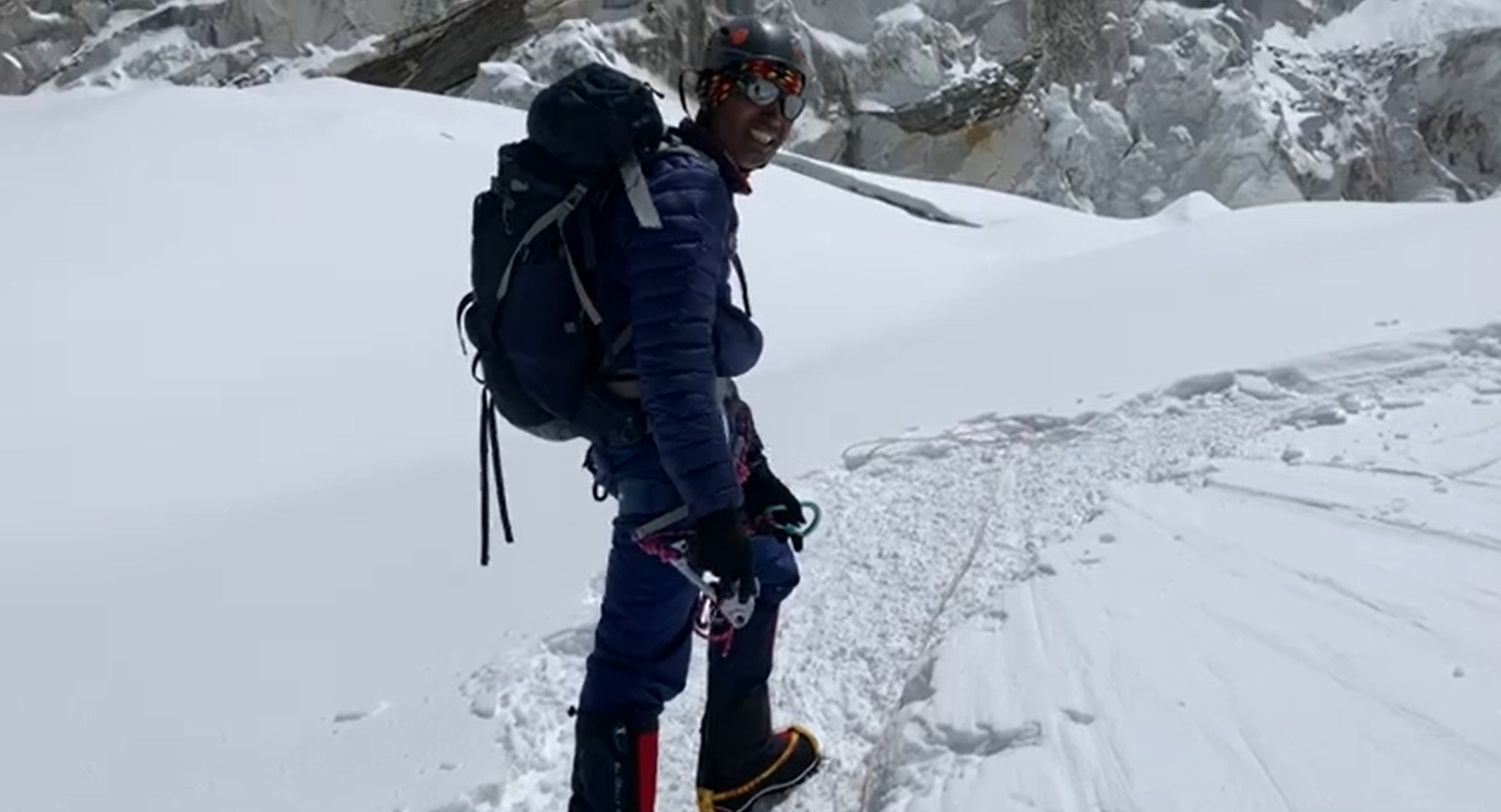
Everest made questions about commitment, identity, fear and choice physical rather than theoretical.
What it taught me:Continuing and choosing are not always the same thing.
Everest Expedition · 2019
At altitude, the difference between persistence and attachment becomes harder to ignore. You can prepare for years, invest heavily, want something badly and still have to ask whether continuing is actually the right choice.
That question stayed with me because it is not only a mountain question. Careers, relationships, identities and definitions of success can all accumulate enough history that stopping, changing or choosing differently begins to feel like failure.
Sometimes the brave decision is to continue. Sometimes it is to choose again.
Understanding the problem is valuable. But understanding and behaving differently are two different achievements.
We filter options through who we believe we are, what we think we are allowed to want and what changing direction would mean about us.
You cannot examine an assumption while it is still masquerading as reality.
Today I speak, coach and host conversations for people who are willing to question what they have been treating as inevitable.
Not once. Repeatedly. Especially when the version that used to fit begins making choices for the person you are becoming.