Clarity
See the actual decision underneath the noise, explanations and endless internal negotiation.
I help people figure out what’s keeping them stuck, and choose what comes next. You may already know what you should do. The harder part is understanding why you keep postponing it, repeating the same pattern, or choosing what no longer fits.
Knowing what to do and being able to change are not the same thing.
You have thought about it, explained it, researched it and probably advised someone else to do exactly what you are not doing.
The career, role, relationship, reputation or definition of success still functions. It just does not feel like yours in the same way anymore.
You want the next decision to come with enough proof that you will not have to question yourself after making it.
The frustrating part is not that you cannot solve problems. It is that this particular problem keeps surviving your intelligence.
More information can tell you what is happening. It does not automatically change the part of you that keeps reproducing it.
We do not evaluate every possibility objectively. We filter it through who we believe we are, what we think we are allowed to want, what success is supposed to look like, and what changing direction might mean about everything we have done before.
Sometimes the issue is not a lack of motivation. It is an old assumption, loyalty, identity or definition that is still making decisions long after you stopped consciously agreeing with it.
Read the philosophy →See the actual decision underneath the noise, explanations and endless internal negotiation.
Move from repeatedly understanding the problem to doing something different with what you understand.
Question a definition of success, responsibility or identity without needing the whole world to approve first.
Make the next decision because it still fits, not because it protects the story you have already built.
Different rooms. Different reasons for working together. The common thread is what people noticed, changed or were able to do afterward.
“People in any organization will immensely benefit from listening to you. Your way of thinking will help any employee or any employer.”
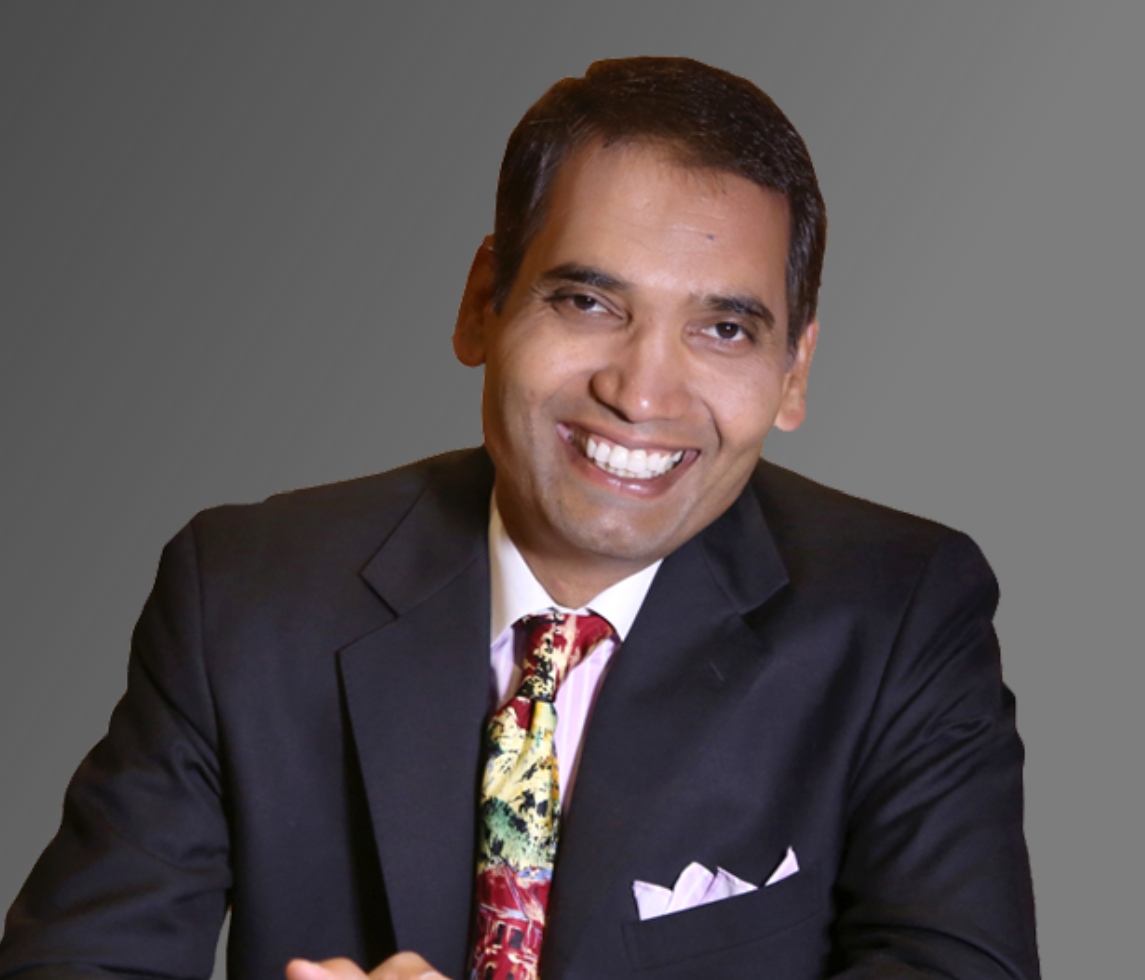
Technology. Entrepreneurship. Radio. Speaking. One-on-one work. Mountaineering.
The settings changed, but the same question kept showing up: why can intelligent, capable people understand exactly what is happening and still remain loyal to what no longer fits?
I am less interested in telling you what life to choose than in helping you see what may already be choosing for you.
Read my story →For conferences, organizations and rooms that want more than an hour of inspiration.
Private work and workshops for people ready to examine what keeps reproducing the same result.
Long-form conversations about the choices, beliefs and turning points behind a life.
You do not need to become someone else. You may need to question what the person you already became is still deciding for you.